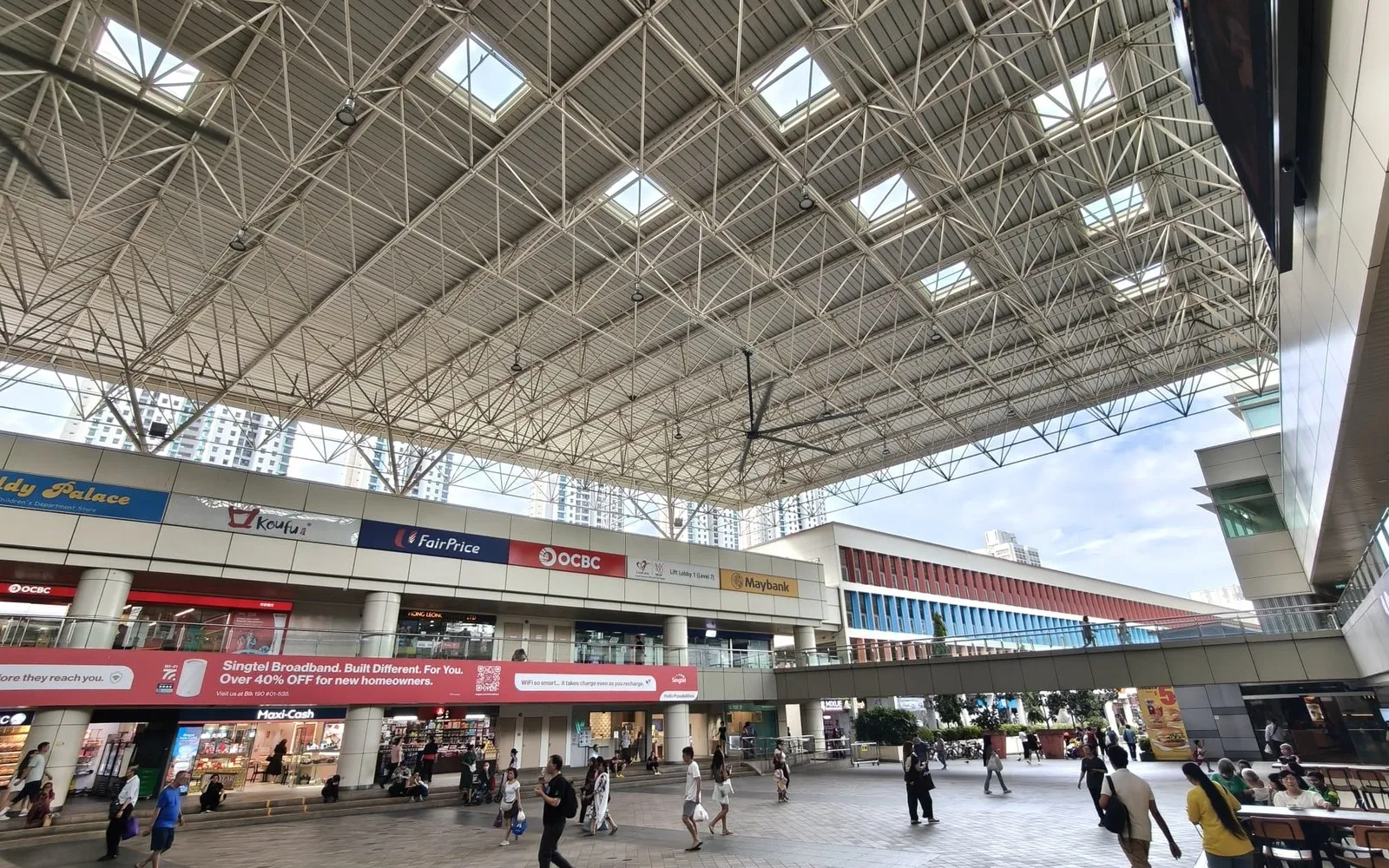

A 2-hour walk through Singapore's original public housing showcase, tracing its swamp origins to its role as a nation-building experiment.
Before Toa Payoh was Singapore's most photographed housing estate, it was, quite literally, a swamp. “Toa Payoh” is Hokkien-Malay for “big swamp.” Most visitors know it for one thing: a dragon-shaped playground. Almost nobody knows it was actually a young nation's proof of concept.
In 1960, an unpaid volunteer chairman with no housing experience took charge of a brand-new board and, in four years, built more flats than the British colonial administration had built in the previous three decades. Toa Payoh was the first town HDB planned and built entirely by itself, and Lee Kuan Yew later called it proof that “properly planned and managed urban growth was achievable.” This wasn't just a housing project. It was a fledgling, not-yet-independent government showing it could actually deliver.
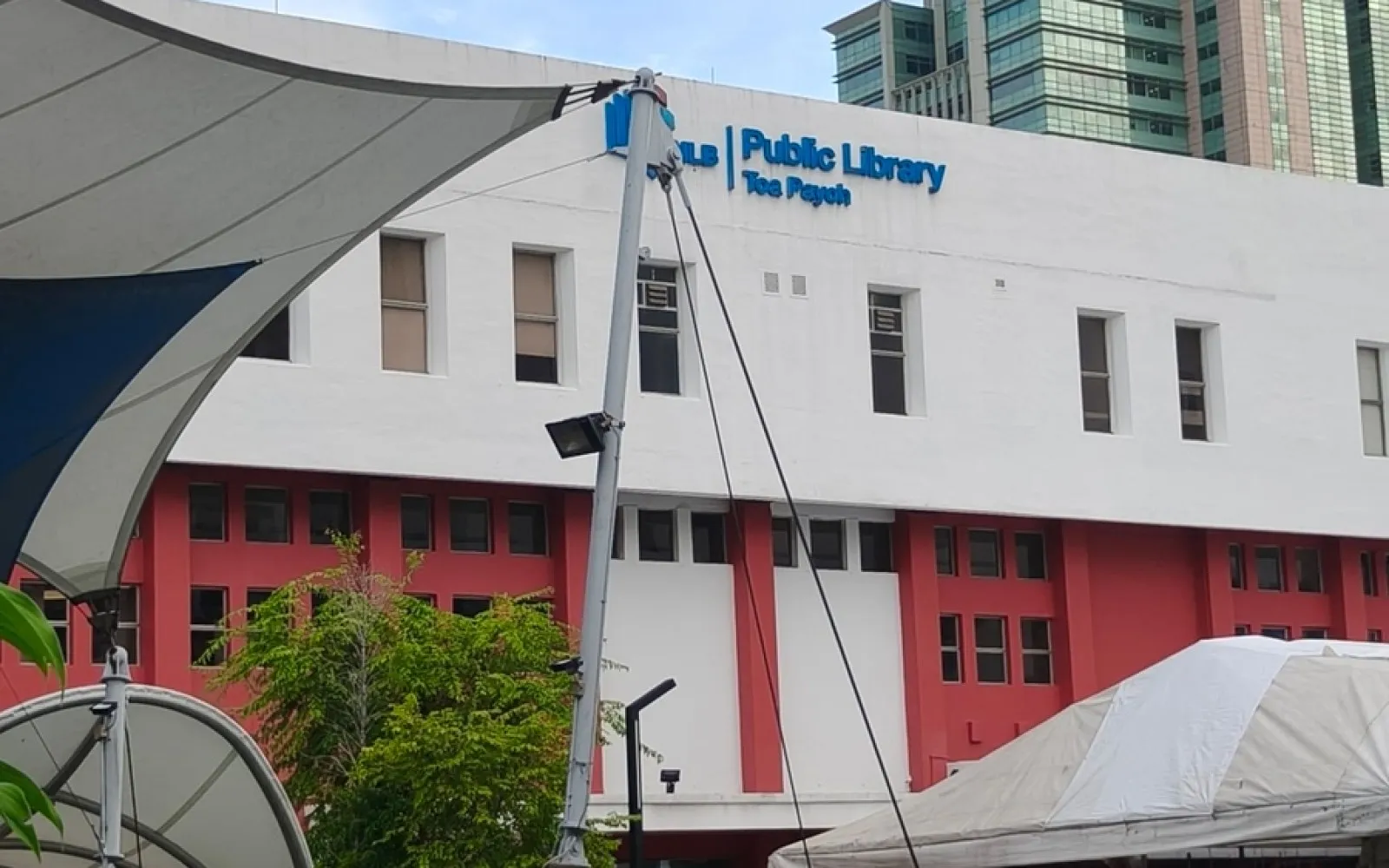
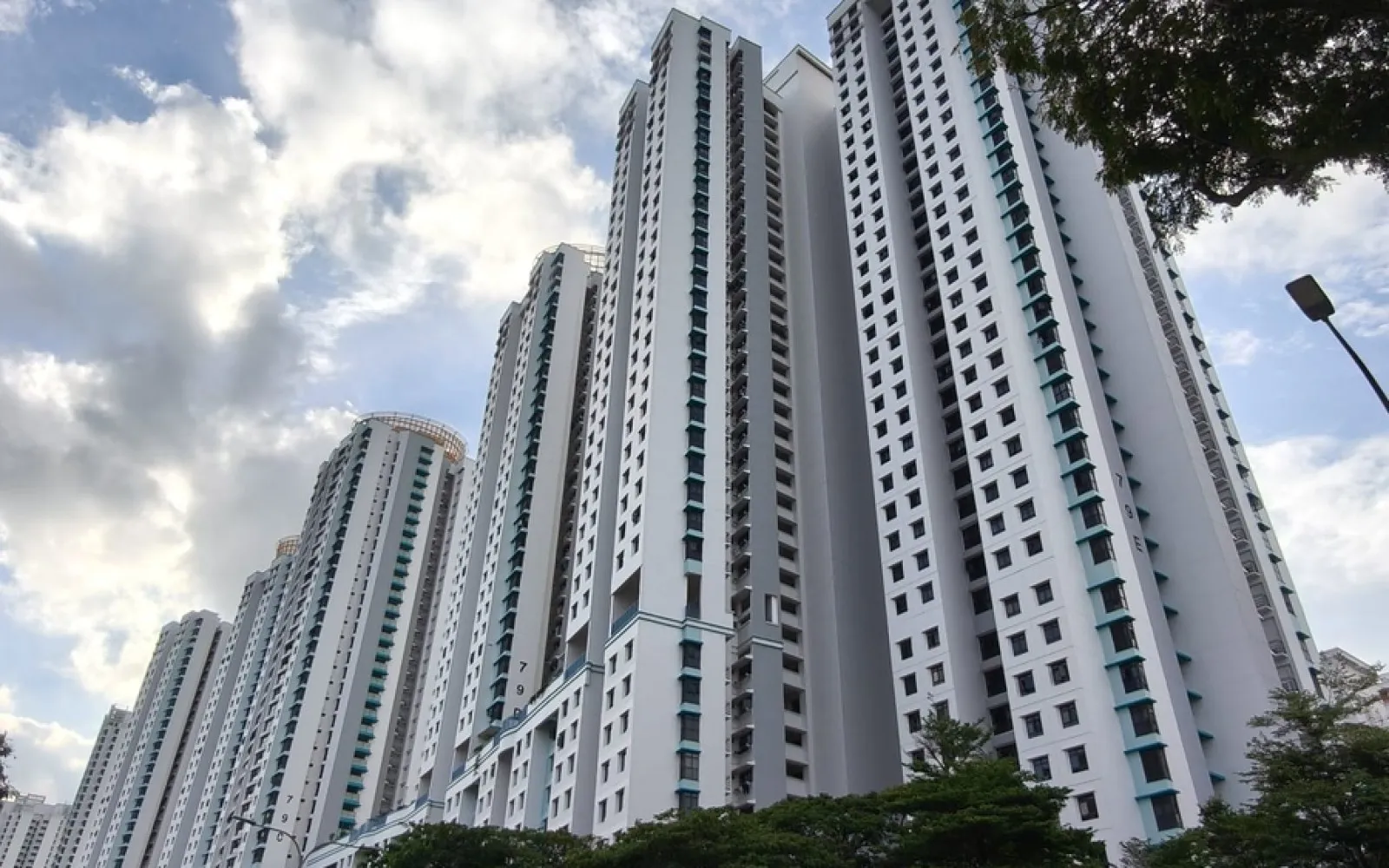
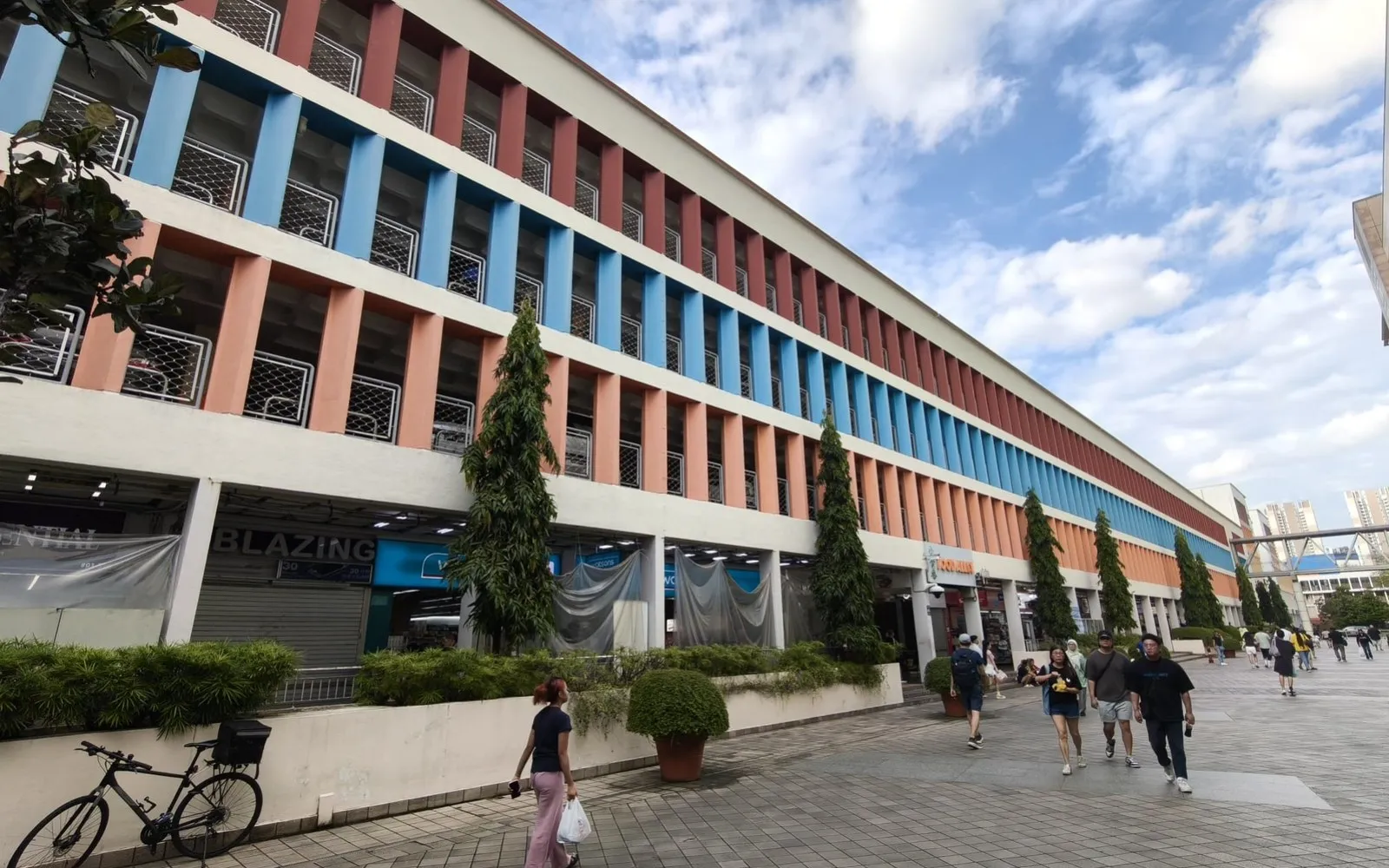
Walk the same ground today and the evidence is still standing: a library housed in the former secretariat building of the 1973 SEAP Games, a point block that once housed international athletes and was later balloted off to ordinary families, a first-generation flat whose residents could later buy the very corridor space outside their own front door, and a church, library and community centre built as the social infrastructure to knit a resettled, ethnically mixed population into an actual community, not just a housing statistic.
The experiment never really finished. Right now, a few hundred metres from where we start, URA's latest master plan is rezoning and rebuilding Toa Payoh again: new housing, a rejuvenated town centre, a new stadium and aquatics centre. The town built to solve one housing crisis is being redrawn, in real time, to solve the next one.
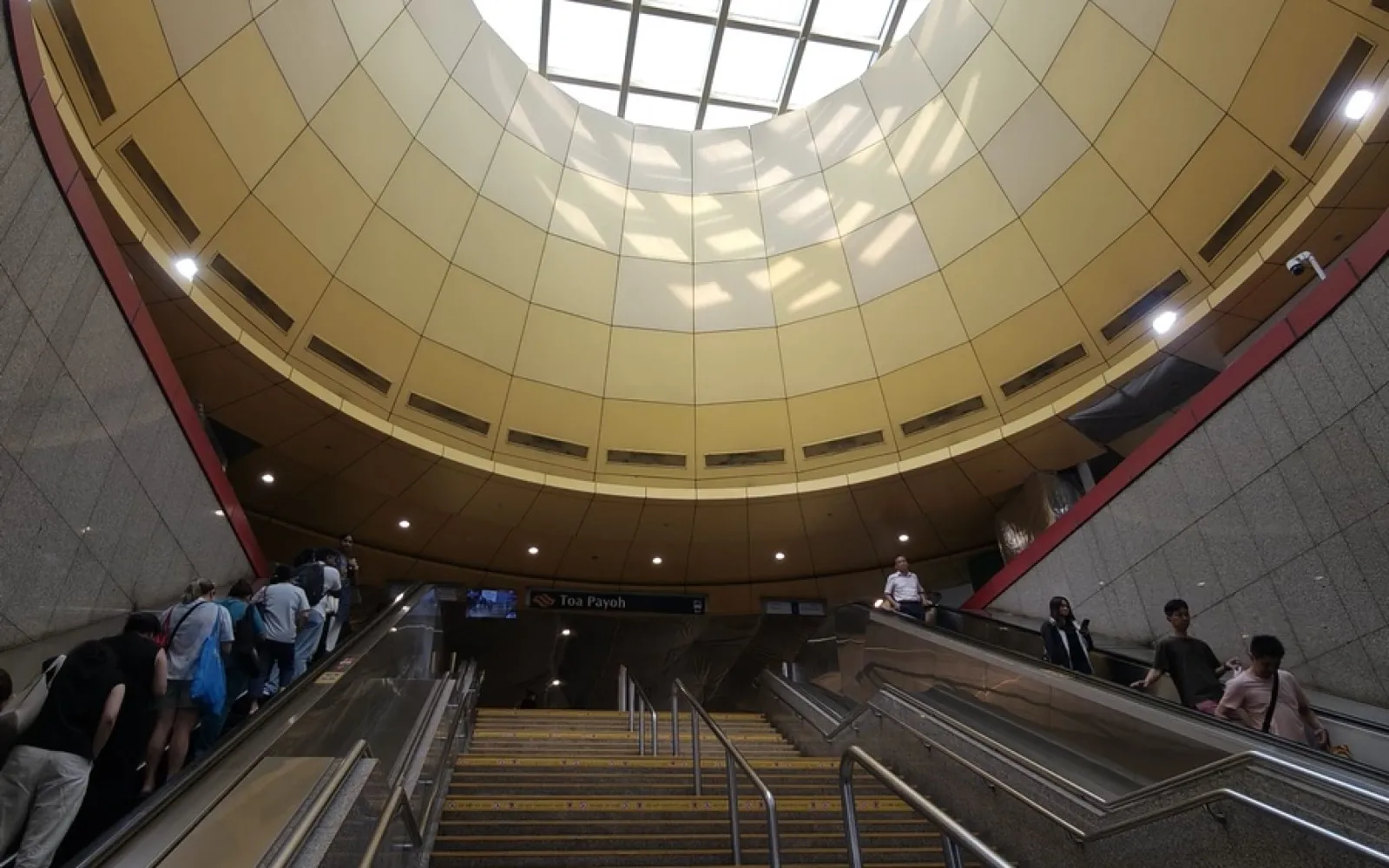
This tour involves a considerable amount of walking on paved, mostly flat pedestrian precincts, with some stairs at MRT crossings. Bring comfortable shoes, sunscreen, and a water bottle. Free cancellation up to 24 hours before the activity.
Toa Payoh is Hokkien-Malay for “big swamp”. Before it was one of Singapore’s best-known housing estates, it was exactly that. This walk follows the town from swamp to showcase, and treats it as what it was: a young, not-yet-independent government’s proof that it could deliver. The route is centred on:
Toa Payoh was the first town the HDB planned and built entirely by itself, and Lee Kuan Yew later called it proof that “properly planned and managed urban growth was achievable”. The experiment never really finished. A few hundred metres from where we start, URA’s latest master plan is rezoning and rebuilding Toa Payoh again, with new housing, a rejuvenated town centre, a new stadium and an aquatics centre. Your guide may change the order or add a stop depending on the day and the weather.
Toa Payoh is easy to reach by MRT and easy to wander alone. What a map cannot give you is the connection between the stops: why the athletes’ point block, the library and the first-generation flats belong to one story, and what the estate was meant to prove. A licensed guide supplies that, and you can ask questions as you go. We set out the difference in free trail map or a real guide and in what a guide adds to a heritage trail.
If you are planning a longer visit, our note on building a full-day cultural itinerary shows how a heartland walk sits alongside the older heritage districts, and the best guided heritage walks for a first-time visitor compares the options.
Prefer your own guide and your own date? The same route runs as a private Singapore heritage walk, and corporate or school groups can tell us what they need. If you are choosing between walks, our Chinatown, Little India and Kampong Glam walks tell very different stories from the heartland one.
About 2 hours on foot. It starts at Toa Payoh MRT Station, Exit A (outside 7-Eleven) and ends at the junction of Toa Payoh Central and Lorong 2, a short distance from where it began.
S$50 per person when you book directly with Serai. A private walk for your own group is S$250 for a group of up to 5, and we quote larger groups individually.
At Toa Payoh MRT Station, Exit A, outside 7-Eleven. The walk finishes at the junction of Toa Payoh Central and Lorong 2.
The dragon-shaped playground is what many visitors know Toa Payoh for, but the walk is about something bigger. It follows how a young government set out to prove it could house a nation, and what is left of that effort on the ground today.
The walk is on paved, mostly flat pedestrian precincts, with some stairs at MRT crossings. Bring comfortable shoes, sunscreen and a water bottle.
No. The guide explains the HDB, the SEAP Games Village and the flats as the walk unfolds.
Yes. Families, companies and schools book this route as a private walk on a date that suits them. Use the private walk page or send us a message with your group size and preferred dates.
You can cancel free of charge up to 24 hours before the walk.
Details checked and updated 13 November 2026.
Loading upcoming sessions…