Current Experiences & Walks
Every experience led by a licensed guide. Book directly with us, or through whichever platform suits you: Klook, Eventbrite, or Culture Pass where available.
No experiences match these filters right now.

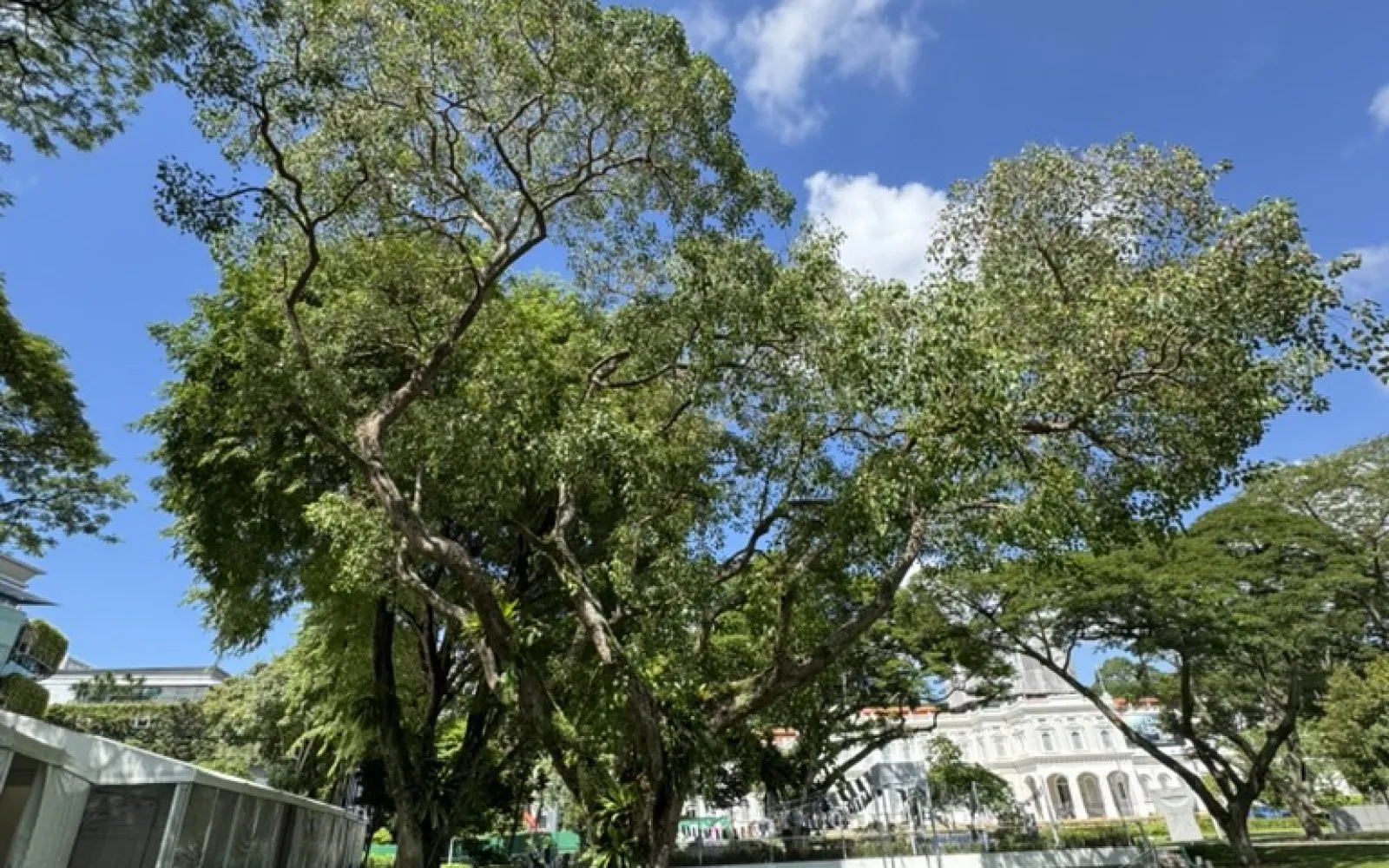
Bras Basah: Beneath the Pavement
Beneath the arts campuses and conserved façades of Bras Basah lies a former penal colony, a Catholic quarter, and a buried freshwater stream. This walk traces the invisible district hiding under today's pavement, from Bras Basah MRT to Dhoby Ghaut.
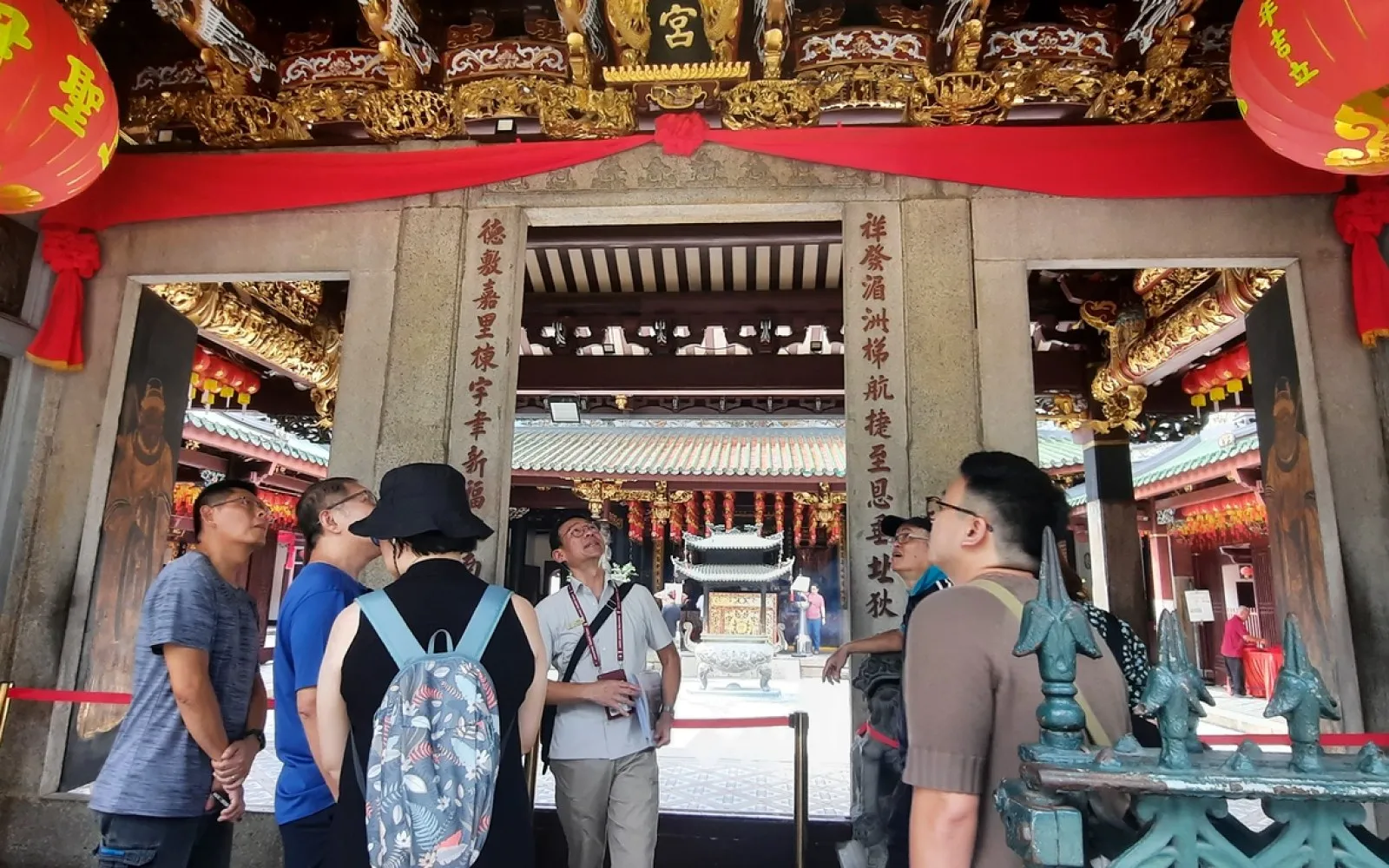
Nanyang Dreams: A Journey of Survival & Hope
The extraordinary story of Singapore's Chinese pioneers, told through Chinatown's temples, shophouses, and the streets where their dreams took root.
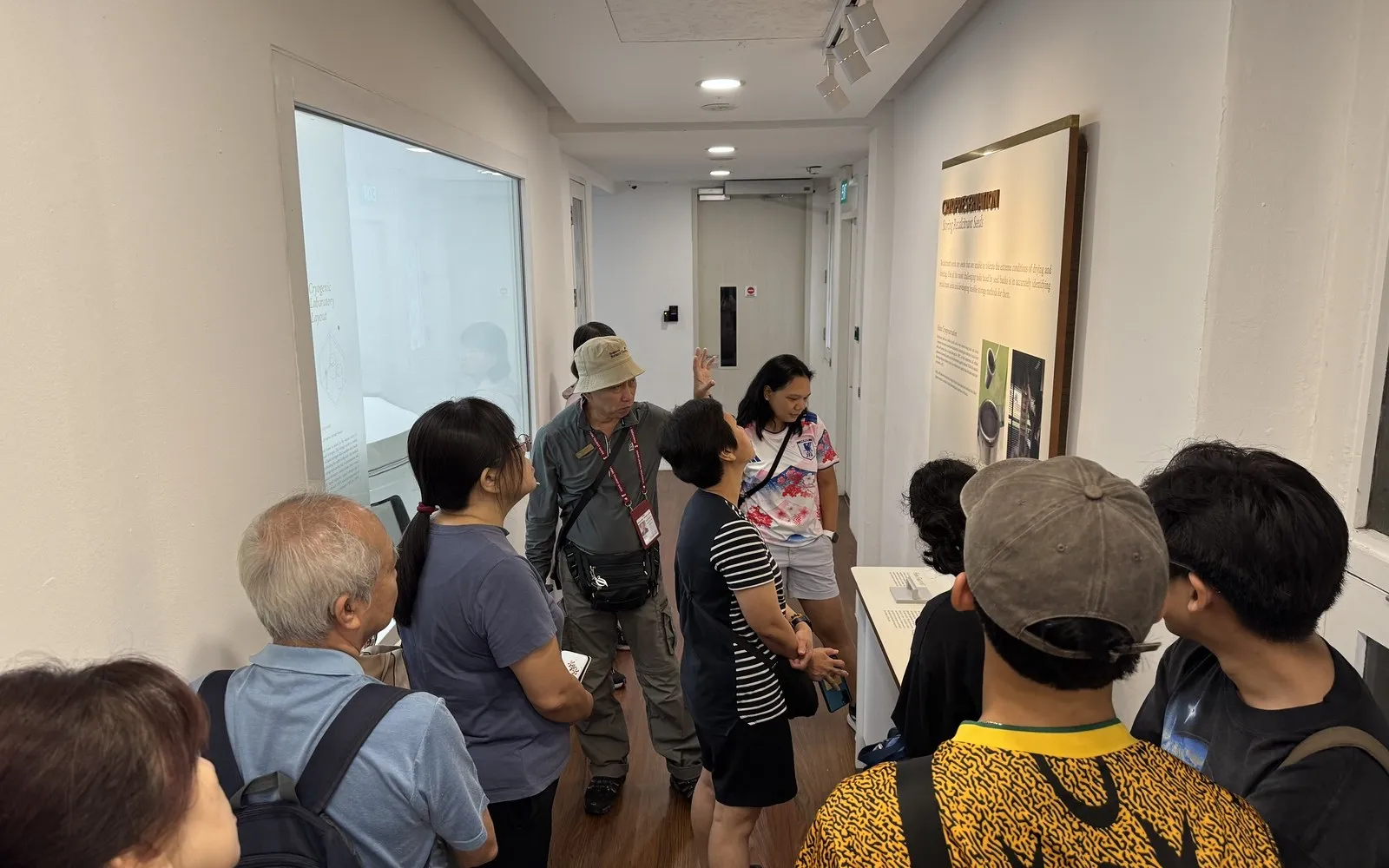
Heritage Stories at the Singapore Botanic Gardens
From the Tanglin Gate through 165 years of history: the orchid propagation lab, the herbarium, and how the Gardens powered Singapore's maritime trade.
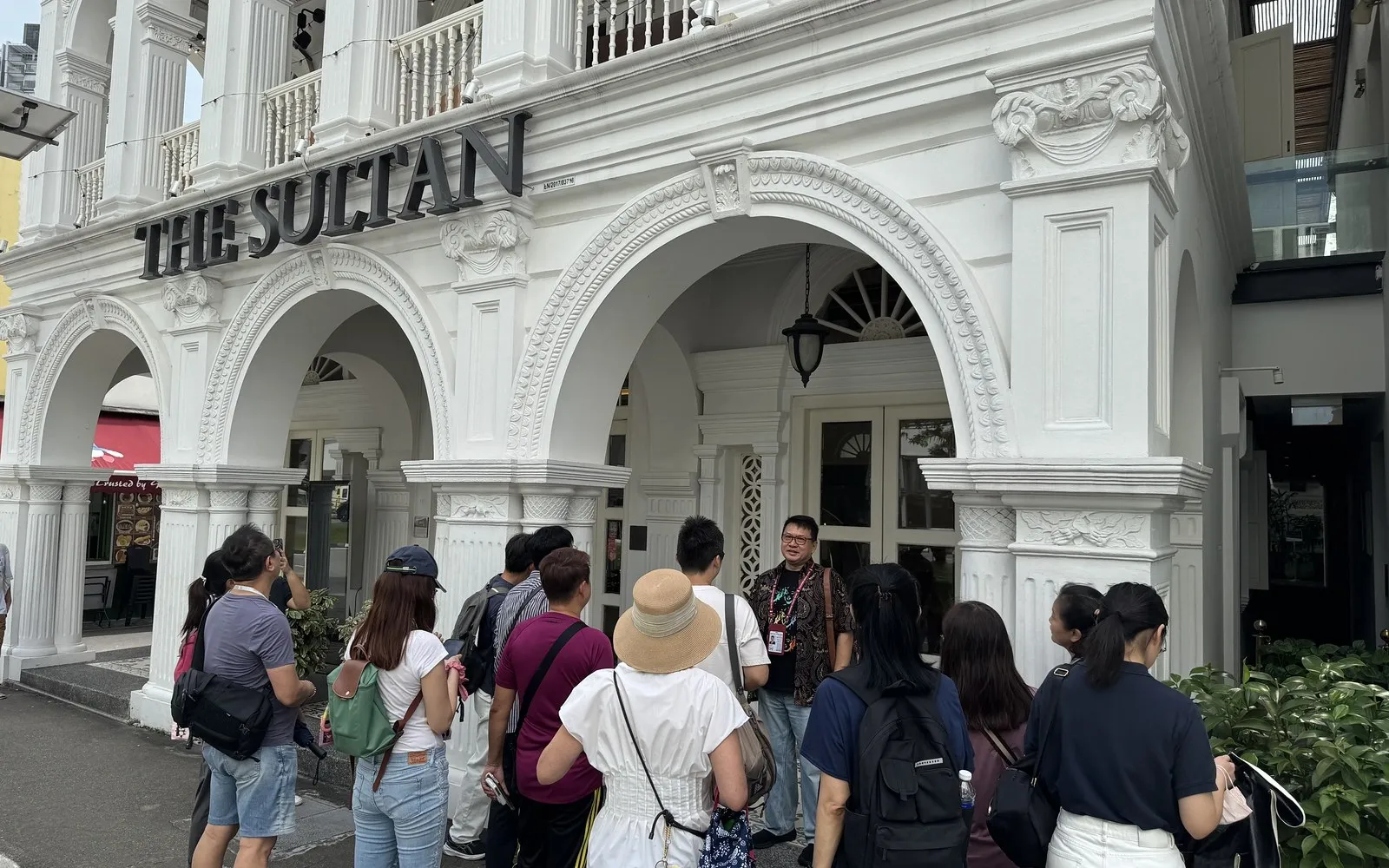
Sultan's Legacy: A Journey of Faith & Identity
Kampong Glam is far more layered than its current reputation as a hipster destination suggests. This walk traces the story of a royal seat, a sacred destination, and a crossroads of the Islamic world.
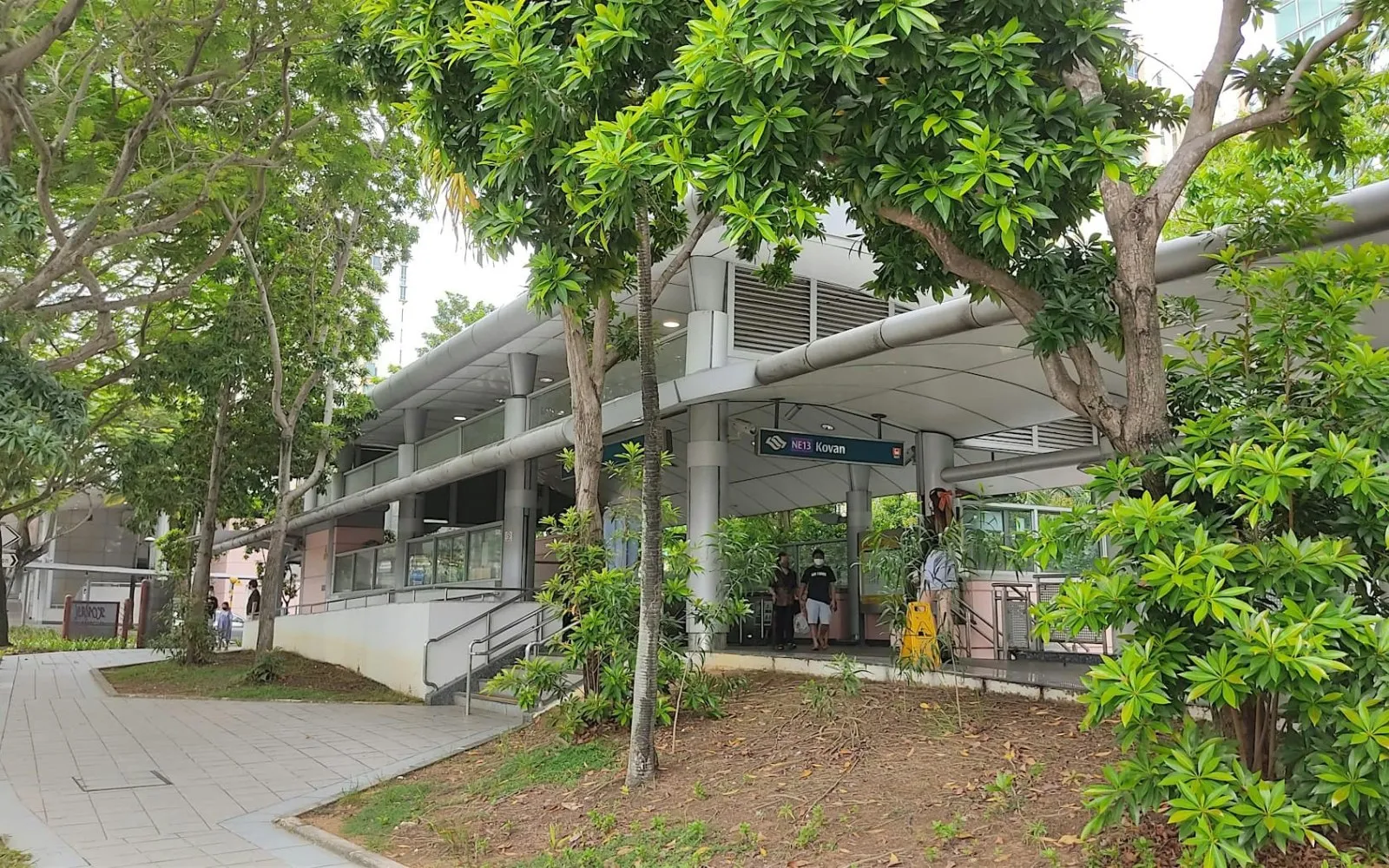
Kovan Heritage Walk: From Plantations to Heartland
Walk the old '6th Mile', from rubber plantations to today's heartland, past churches, mosques, and Singapore's oldest temple to the Nine Emperor Gods.
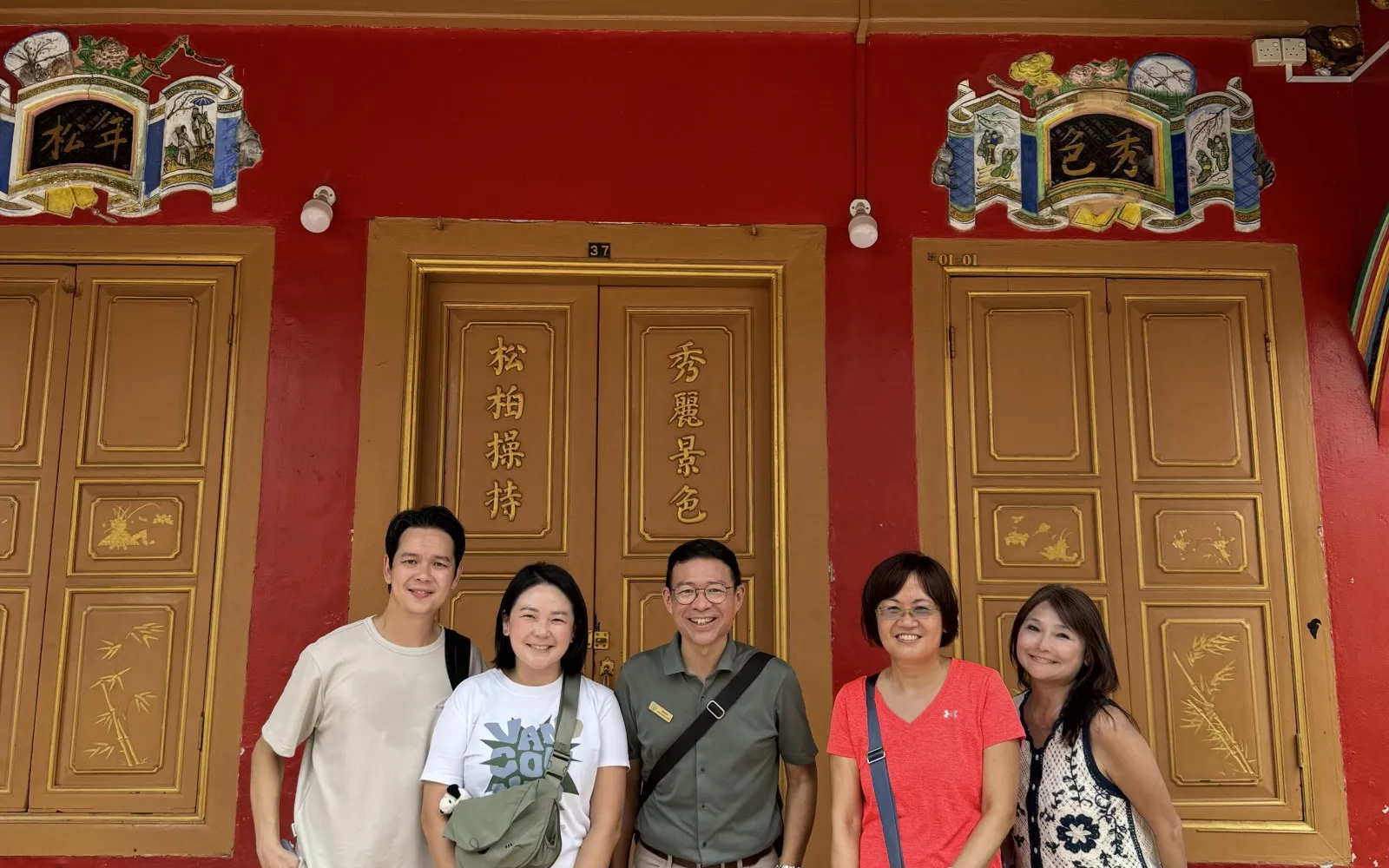
Little India Half-Day Temple and Cultural Tour
From Tekka Centre to the Sri Veeramakaliamman Temple: a 2-hour immersive walk through the traders, convicts, and labourers who built Little India.
Private Singapore Group Walking Tour (10 pax)
The best way to enjoy the streets of Singapore is with family and friends: a private, customised experience for groups of up to 10.
Private Singapore Small Group Walking Tour (5 pax)
Your own historic district or nature park, your own pace: a private walking tour designed around your small group of up to 5.
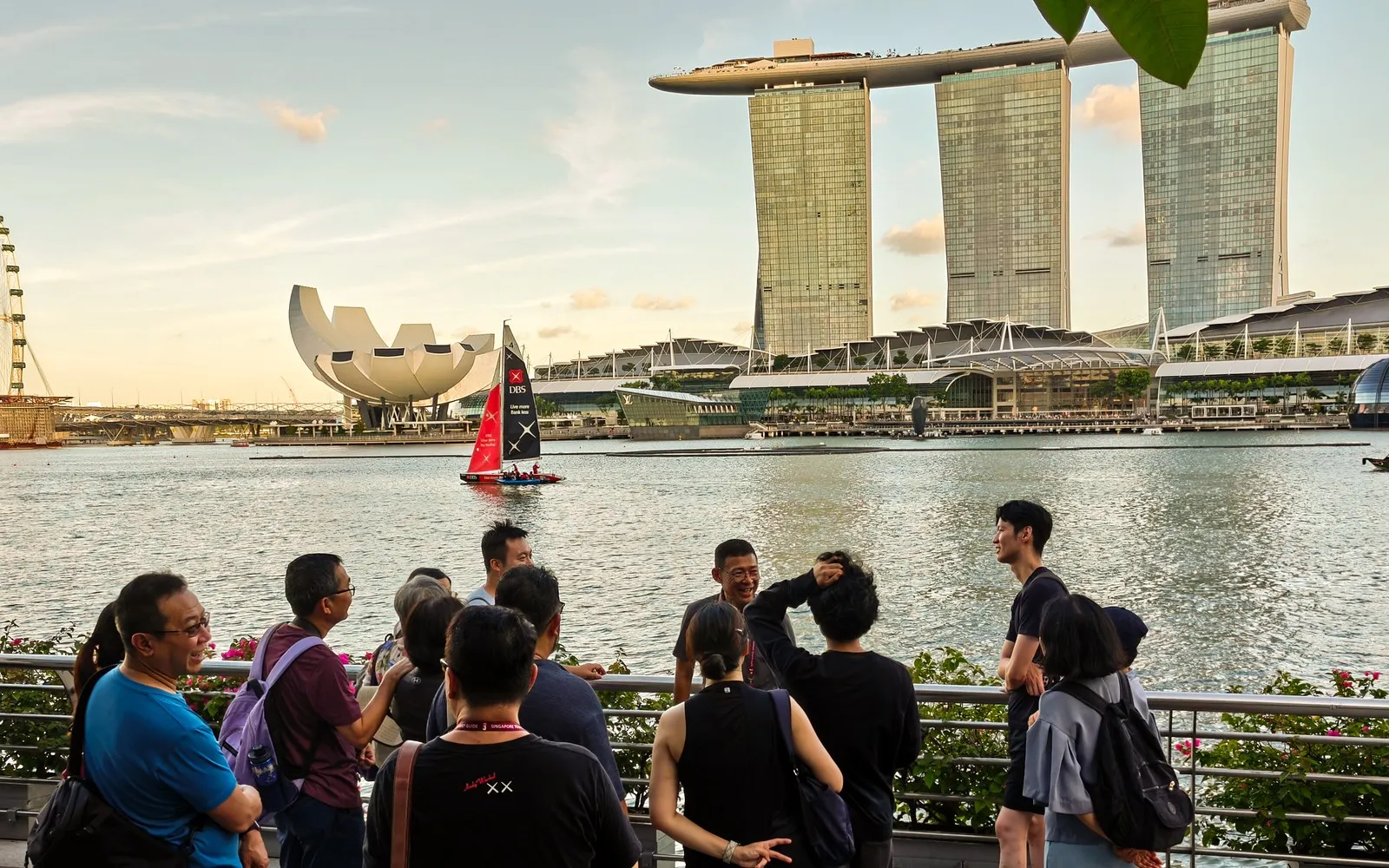
Singapore River Half-Day History Tour
From Six Battery Road to the Merlion: trace the Singapore River's dramatic transformation from struggling port to modern skyline with a licensed local guide.
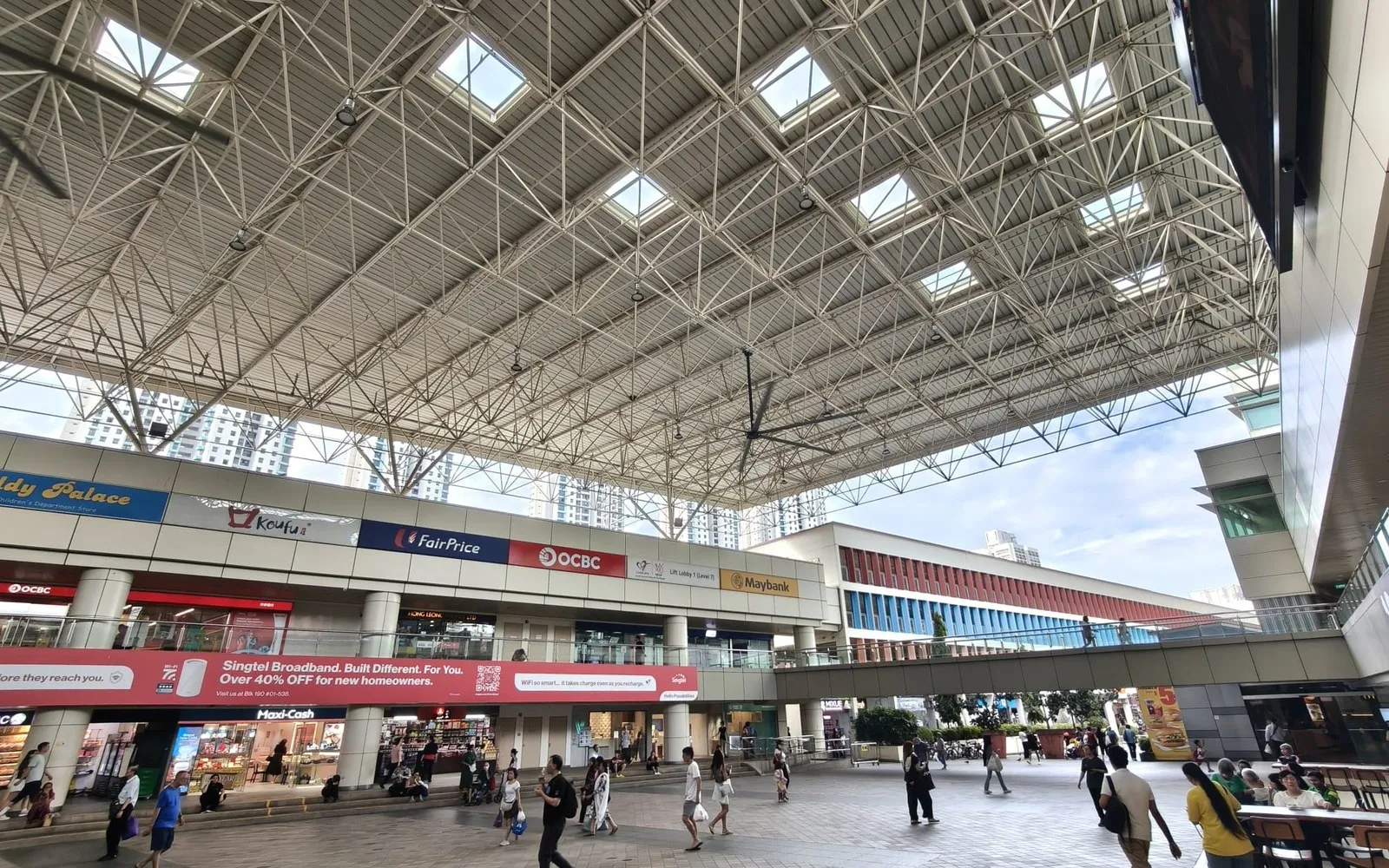
Toa Payoh Heritage Walk: The Blueprint for a Nation
Singapore's first town built entirely by the HDB — from a 1960s bet that a nation not yet independent could out-build an empire, to the same ground being redrawn again today by URA's latest master plan.
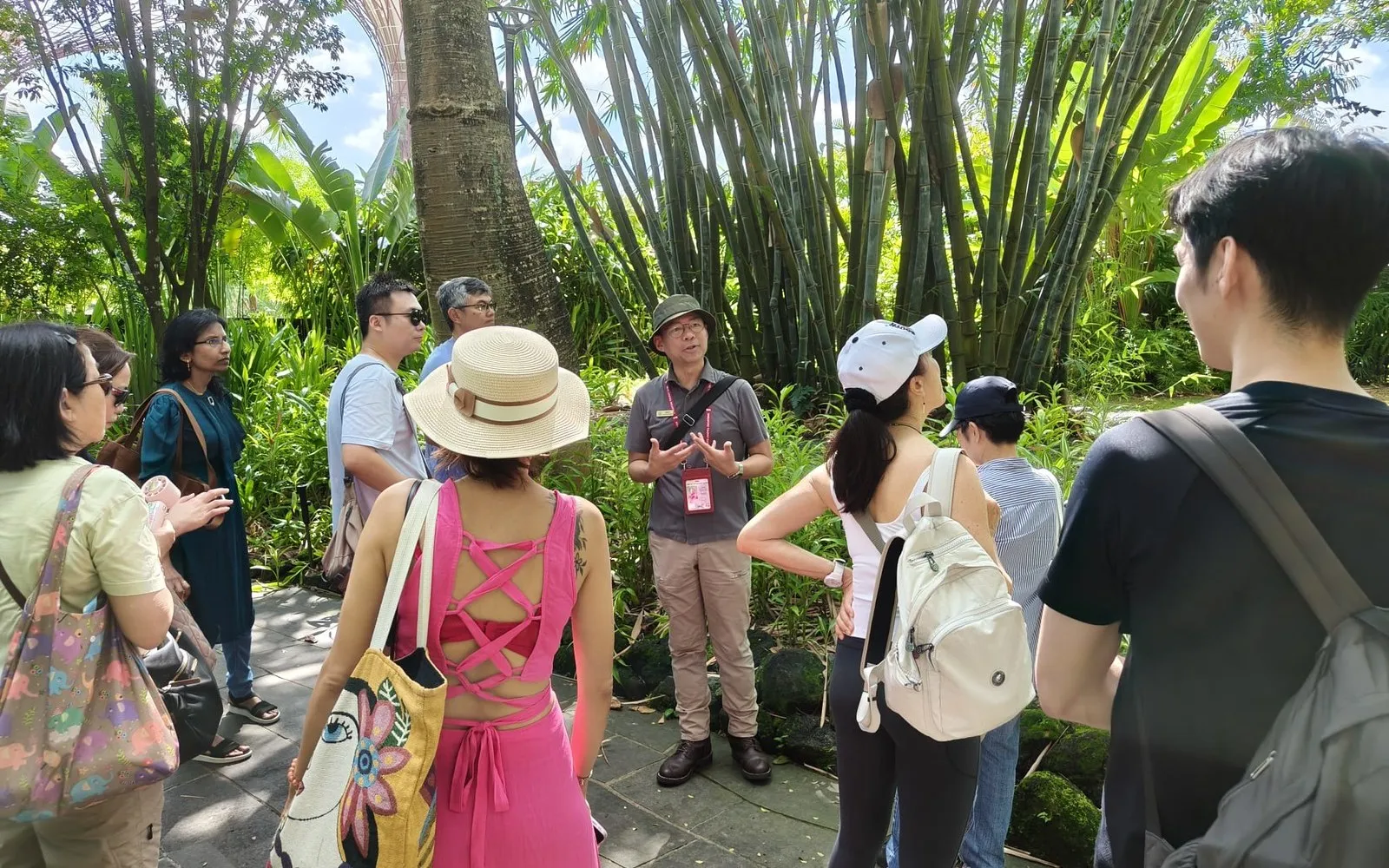
Bespoke Private
Fully tailored itinerary, flexible pace, and exclusive transport. No two journeys are identical.
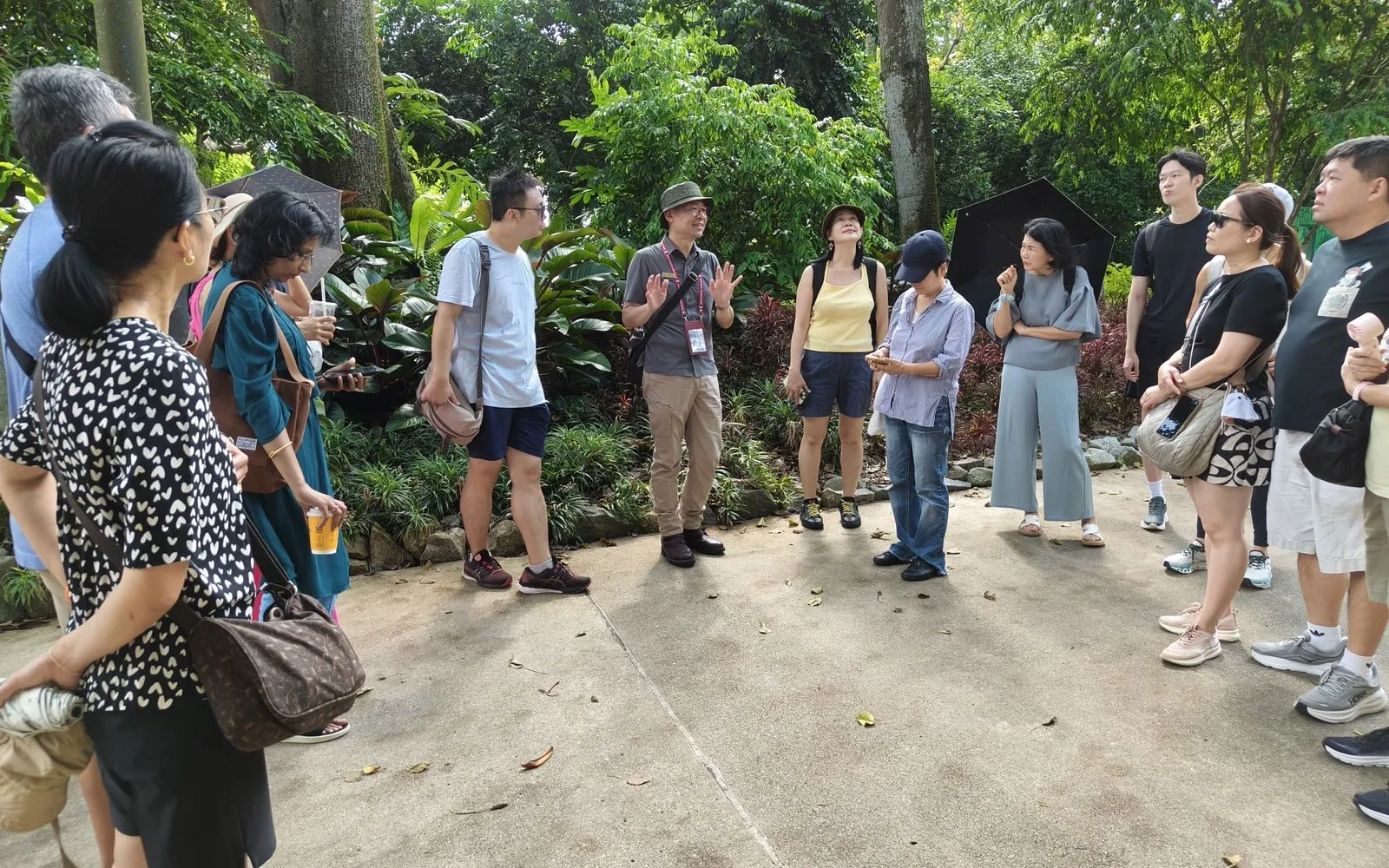
Corporate Immersion
Half-day private team building and cultural workshop. Engage your team through shared cultural discovery, outside the boardroom.